


Alternative performance enhancers are intended to have a positive influence on the organism with regard to performance and health. These enhancers include probiotics, prebiotics, enzymes, organic acids/salts, and essential herbs. They can be found under the additional categories of sensory and zootechnical additives (REGULATION (EC) No 1831/2003). [6] .
Organic acids and their salts
For centuries, companies in the food industry have used organic acids to preserve food and animal feed (silage, yogurt, sauerkraut, etc.). Organic acids and essential oils are considered to have health benefits and possess antimicrobial properties. [1] .
Organic acids were once used as preservatives to protect feed from spoilage. Now, they are used in animal nutrition to lower the pH level in the digestive tract. The most common acids include propionic acid, butyric acid, sorbic acid, acetic acid, succinic acid, benzenic acid, lactic acid, formic acid, citric acid, and fumaric acid. [1] .
The use of organic acids in treating diarrhea is primarily seen in young monogastric animals, such as piglets. Because their gastric acid production is not yet fully developed, and the number of microbes in their digestive tract is still relatively low, the use of acids can lower the pH value and protect the intestines from bacterial infections (such as E. coli bacteria). It can also improve protein digestion. [2] .
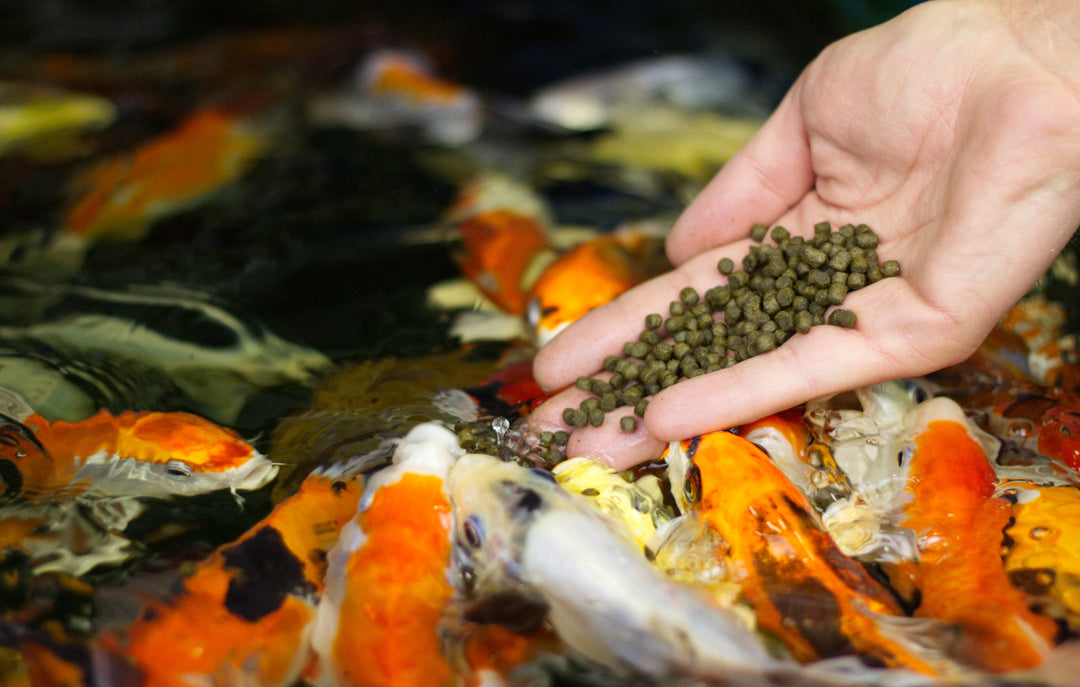
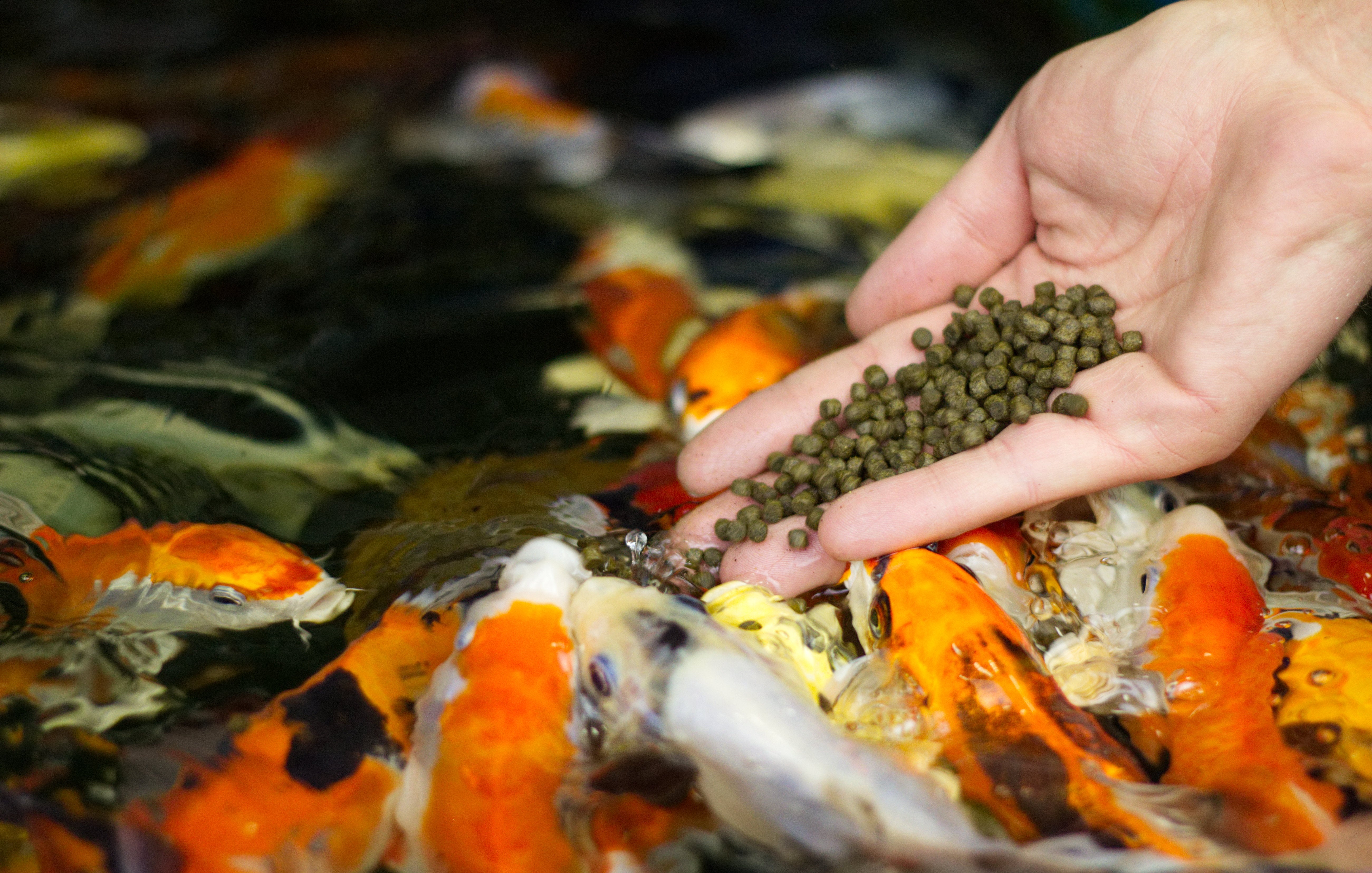
Humic acids (peat) have long been used in aquariums and pond farming to improve the health of fish. They can stimulate the body's own cellular defenses in fish. [3, 4] . It has been demonstrated that feeding humic acids can reduce the residence time of toxic lead and cadmium in the organism. [5] .
Scientific sources:
[1] Weber, G. (2012): Significance/Benefit and efficiency of additives in animal feed: 24 Hülsenberger Talks , Lübeck – Available online at: https://www.schaumann-stiftung.de/cps/schaumann-stiftung/ds_doc/1_1_lf_weber.pdf.
[2] Freitag, M.; Hensche, HU; Schulte-Sienbeck, H.; Reichelt, B. (1999): Biological effects of conventional and alternative performance enhancers . In: KRAFTFUTTER/FEED MAGAZINE 2, pp. 49–57 – Available online at: https://www4.fh-swf.de/media/downloads/fbaw_1/download_1/professoren_1/freitag/publikationen_pdf/Biologische_Effekte_konventioneller_und_alternativer_Leistungsfoerde-rer.pdf.
[3] Schreckenback, K.; Meinelt, T.; Spangenberg, R.; Staaks, G.; Kalettka, T.; Spangenberg, M. (1991): Investigations on the effect of the synthetic humic substance RHS 1500 on freshwater fish in aquaculture . Institute for Inland Fisheries, Berlin.
[4] Schreckenback, K.; Kühnert, M.; Haase, A.; Höke, H. (1996): Expert opinion on the effect of the pharmaceutical ingredient HS 1500 on farmed and ornamental fish in aquaculture and aquariums . Institute for Inland Fisheries e. V., Potsdam-Sacrow.
[5] Rochus, W. (1983): The influence of peat humic acids on the uptake, excretion and distribution of lead and cadmium in the rat organism . In: Phys. Med. Rehab Kuror 35 (1) pp. 25–30.
[6] REGULATION (EC) No 1831/2003 OF THE EUROPEAN PARLIAMENT AND OF THE COUNCIL of 22 September 2003 on additives for use in animal nutrition.